
Essential Techniques for Perfect Pastries Every Time
Baking pastries can be a delightful yet daunting task. The flaky crusts, rich fillings, and delicate decorations can intimidate even seasoned bakers. However, with the right techniques and a bit of practice, anyone can master the art of pastry making. This guide will walk you through essential techniques that will help you create perfect pastries every time.

Understanding the Basics of Pastry Dough
Before diving into the techniques, it's crucial to understand the different types of pastry dough. Each type serves a unique purpose and requires specific handling methods.
Types of Pastry Dough
Shortcrust Pastry
This is the most common type used for tarts and pies. It is made with flour, fat, and water, resulting in a tender and crumbly texture.
Puff Pastry
Known for its flaky layers, puff pastry is created by folding butter into dough multiple times. This technique creates steam pockets that puff up during baking.
Choux Pastry
Used for éclairs and cream puffs, choux pastry is unique because it is cooked on the stovetop before baking. The steam generated during baking causes it to expand.
Filo Pastry
This paper-thin pastry is layered to create a crispy texture. It is often used in Mediterranean dishes like baklava.
Key Ingredients
Understanding the ingredients is just as important as knowing the types of dough. Here are the key components:
Flour: All-purpose flour is commonly used, but specific pastries may require cake flour or pastry flour for a lighter texture.
Fat: Butter is preferred for its flavor, but shortening or lard can be used for a flakier texture.
Liquid: Water is typically used, but milk or eggs can add richness.
Sugar: Adds sweetness and can affect the texture of the pastry.
Essential Techniques for Perfect Pastries
Now that you have a grasp of the basics, let’s explore the essential techniques that will elevate your pastry game.
1. Measuring Ingredients Accurately
Accurate measurements are crucial in baking. Use a kitchen scale for dry ingredients and liquid measuring cups for wet ingredients. This precision ensures consistent results.
2. Keeping Ingredients Cold
For flaky pastries, it’s vital to keep your ingredients cold. This prevents the fat from melting before baking, allowing for the desired flaky texture. Here are some tips:
Chill your flour and mixing bowl before starting.
Use cold butter, cutting it into small cubes before incorporating it into the flour.
If the dough becomes warm while working, refrigerate it for 15-30 minutes.
3. Proper Mixing Techniques
Mixing is where many bakers go wrong. Over-mixing can lead to tough pastries. Here’s how to mix properly:
For shortcrust pastry, use a pastry cutter or your fingers to combine the fat and flour until it resembles coarse crumbs.
For puff pastry, be gentle when folding the dough to maintain the layers.
Choux pastry requires vigorous mixing to incorporate air, but be careful not to overdo it.
4. Rolling Out Dough
Rolling out dough is an art. Here are some tips to achieve the perfect thickness:
Use a well-floured surface to prevent sticking.
Roll from the center outward, turning the dough frequently to maintain an even thickness.
For even thickness, use rolling pins with thickness guides or wooden dowels on either side of the dough.
5. Chilling the Dough
Chilling the dough is essential for maintaining its structure. After rolling out, place the dough in the refrigerator for at least 30 minutes. This helps relax the gluten and makes it easier to handle.
6. Blind Baking
Blind baking is a technique used to pre-bake the crust before adding the filling. This prevents a soggy bottom. Here’s how to do it:
Roll out the dough and fit it into the tart pan.
Prick the bottom with a fork to prevent bubbling.
Line the crust with parchment paper and fill it with pie weights or dried beans.
Bake at 375°F (190°C) for about 15-20 minutes, then remove the weights and bake for an additional 5-10 minutes until golden.
7. Creating Flaky Layers
For puff pastry, creating flaky layers is key. Here’s how to do it:
Roll out the dough into a rectangle.
Place cold butter in the center and fold the dough over it.
Roll out again, then fold into thirds (like a letter). Repeat this process several times, chilling the dough between folds.
8. Perfecting the Filling
The filling can make or break your pastry. Here are some tips for perfect fillings:
Use fresh, high-quality ingredients for the best flavor.
Ensure that any fruit fillings are pre-cooked to avoid a soggy crust.
For cream fillings, allow them to cool completely before adding to the pastry.
9. Decorating Your Pastries
Presentation matters. Here are some simple decoration techniques:
Use an egg wash (a mixture of beaten egg and water) for a shiny finish.
Sprinkle sugar on top for added sweetness and texture.
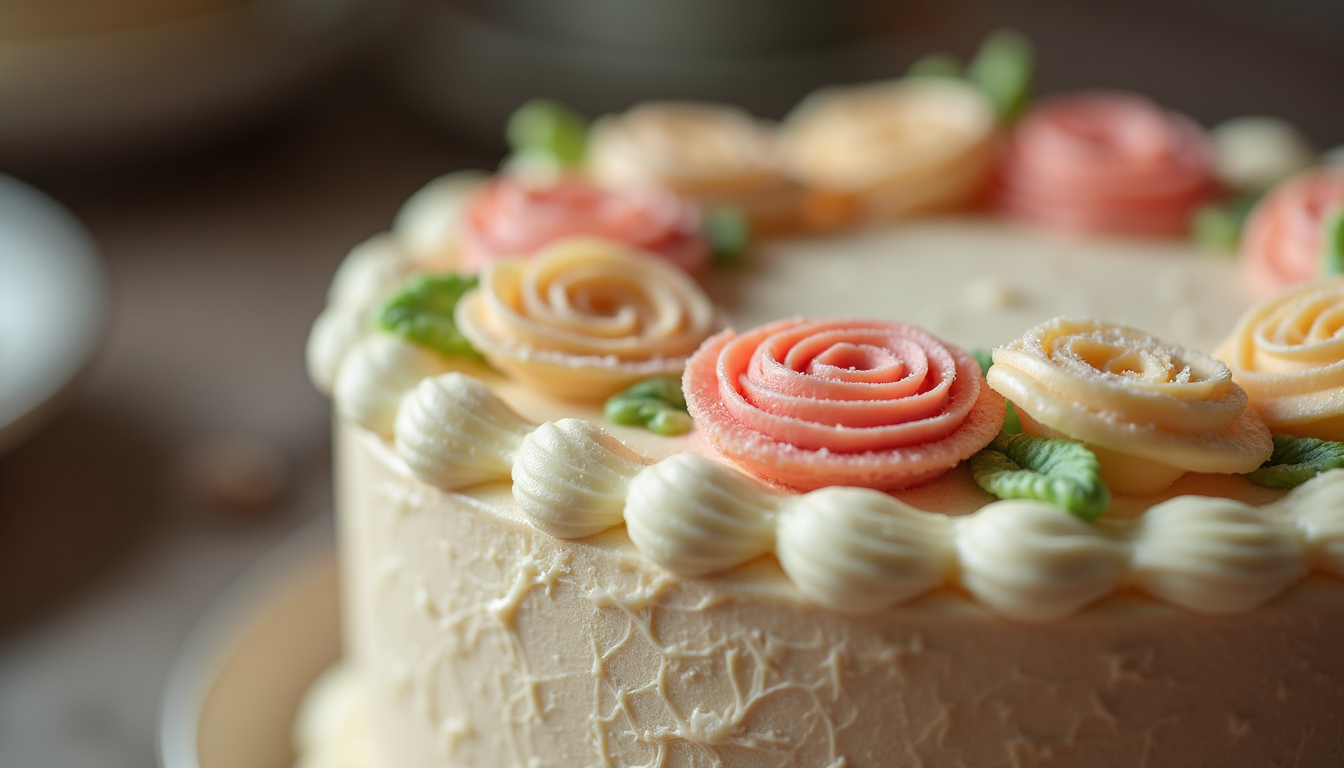
Use a piping bag for intricate designs with cream or icing.
10. Baking to Perfection
Baking is where the magic happens. Here are some tips to ensure your pastries bake perfectly:
Preheat your oven to the correct temperature before baking.
Use an oven thermometer to ensure accuracy.
Rotate your baking sheet halfway through for even cooking.
Troubleshooting Common Pastry Problems
Even the best bakers encounter issues. Here are some common problems and solutions:
Soggy Bottoms: Ensure you blind bake your crust and avoid adding wet fillings.
Tough Pastry: This usually results from over-mixing. Handle the dough as little as possible.
Burnt Edges: If the edges are browning too quickly, cover them with foil until the center is fully baked.
Conclusion
Mastering pastry techniques takes time and practice, but the rewards are worth it. With these essential techniques, you can create perfect pastries that impress family and friends. Remember to keep your ingredients cold, measure accurately, and don’t rush the process. Happy baking!
By following these guidelines, you’ll be well on your way to becoming a pastry pro. So gather your ingredients, roll up your sleeves, and start creating delicious pastries that will delight everyone.
Comments